Tip 1 — Automate Comment-to-DM with Product Matching
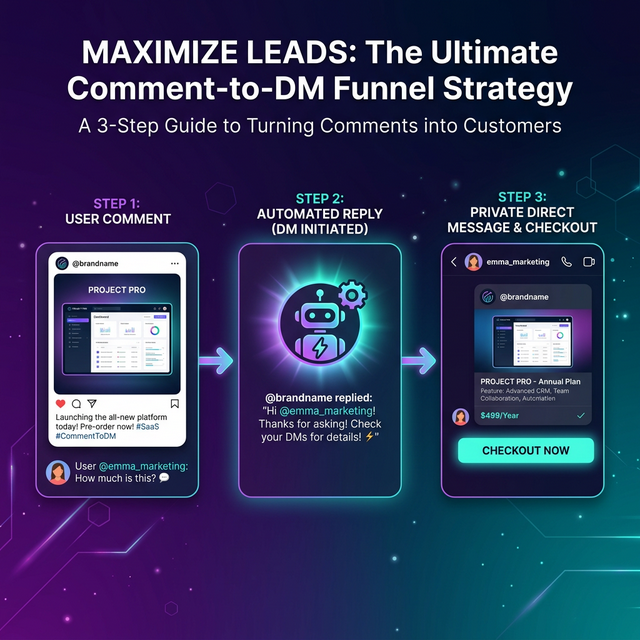
The single highest-leverage change any Shopify brand can make on Instagram in 2025 is setting up comment-to-DM automation. Every unanswered "how much?" comment is a lost sale.
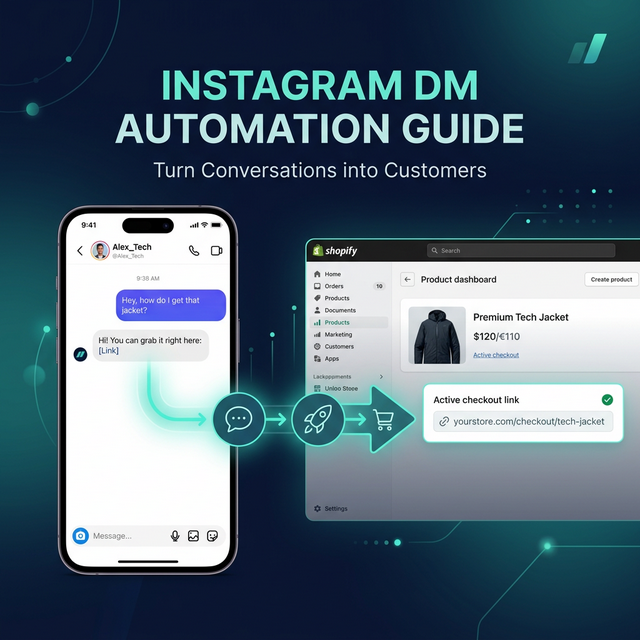
Tools like FlowBuy detect buying-intent comments, send an instant AI-written DM with the exact product and checkout link from your Shopify catalog, and do it within Instagram's 24-hour messaging window — compliantly.
Brands using this see DM open rates of 90%, checkout rates of up to 40% from DMs, and a 34% average ROAS increase. It is the highest-ROI social selling change you can make right now.
💡 Even responding to 10 extra comments per day can lift your Meta ad reach by 39% due to engagement signals.
Tip 2 — Use Instagram Shopping Tags on Every Product Post
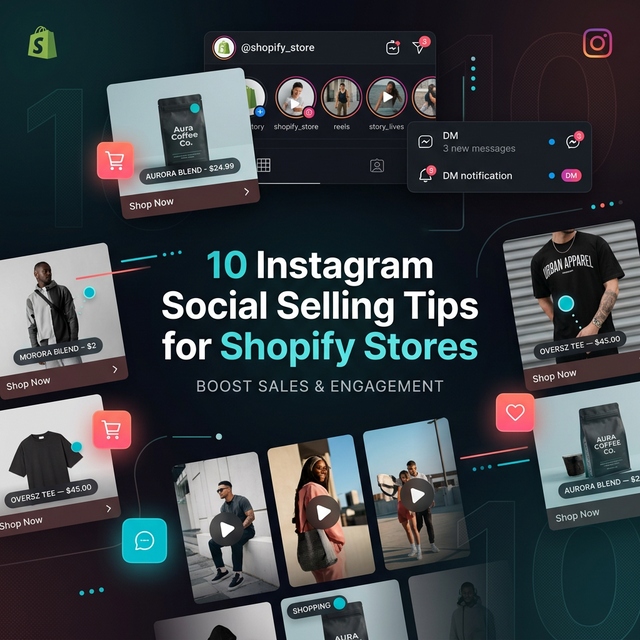
Instagram Shopping lets you tag specific products directly in your feed posts and Reels, creating a tappable path from content to checkout without leaving the app.
To use Shopping tags: connect your Instagram Business account to a Meta Commerce Account, upload your Shopify product catalog via Facebook Business Manager, and enable Instagram Shopping in your account settings.
Once approved, use product tags on every post where a product is visible. One-in-three Instagram users say they use the platform to discover new products. Make discovery instant and shoppable.
Tip 3 — Lean Into User-Generated Content (UGC)
UGC (customer photos, unboxings, reviews) dominates 32.6% of successful Meta ad campaigns. It outperforms branded content because it signals social proof in the most authentic way possible.
Encourage UGC by: creating a branded hashtag, reposting customer content with credit, and running occasional "tag us" campaigns with a small incentive.
When you run UGC as paid Reels ads, combine them with comment-to-DM automation. The comments on UGC posts tend to be extremely high-intent ("Where did you get this?", "Is this the real deal?") — perfect triggers for automated product DMs.

Tip 4 — Master the Keyword Comment Trigger
Not every comment signals buying intent. Setting smart keyword triggers is how you distinguish browsers from buyers.
High-converting trigger keywords by category: - Beauty: "shade", "price", "link", "where to buy", "ingredients" - Fashion: "drop", "size", "restock", "link", "where" - Home Décor: "dimensions", "where is this from", "link", "price" - Supplements: "dairy free", "vegan", "gluten", "allergy", "ingredients"
Start with 3–5 keywords per post. Review which triggers produce the most DM opens and optimize from there. FlowBuy's Logs dashboard shows this per post, per keyword.
Tip 5 — Optimize Your Reels for Maximum Comment Volume
More comments → more DM automations → more sales. So your content strategy should actively invite comments.
Tactics that increase Reel comment volume: 1. Ask direct questions in captions ("Which shade would you wear — DM us!") 2. Create "comment to unlock" CTAs ("Comment 'LINK' and we'll DM you the product") 3. Use controversial or comparative content ("Which do you think is worth it: A or B?") 4. Show transformation content with incomplete information in the post (a "before" that makes people ask "after?")
The more comments you generate, the more automation triggers fire — and the more Shopify sales result.
🎥 Reels with a direct question in the caption generate 3× more comments than static posts, according to Meta Business data.
Tip 6 — Connect Instagram Stories to DMs
Instagram Stories are consumed by 500 million users daily. They have a built-in DM button ("Send Message") that most brands underutilize.
Use Stories to: - Tease a new product and ask people to DM you a keyword to learn more (you can automate replies to these DMs too with FlowBuy) - Run polls and follow up with voters via DM ("You voted for X — here's the link!") - Post "Behind the scenes" content that drives questions — which you answer via automated DMs
Story DMs have an even stronger personal feel than comment DMs because they come from an active, two-way conversation thread.
Tip 7 — Time Your Posts for Peak Comment Windows
Comment velocity in the first hour of a post's life determines how widely Meta distributes it. Posting when your audience is most active is essential.
For most Shopify brands, peak engagement windows are: - Tuesday, Wednesday, and Thursday mornings (8–10 AM local time) - Friday afternoons (3–5 PM) as people wind down their workweek - Saturday evenings (7–9 PM) when disposable income is top of mind
Use Instagram Insights (available on all Business accounts) to find your specific audience's peak times. Then schedule posts for those windows, and have FlowBuy automation live before posts go out.
Tip 8 — Use Scarcity and Exclusivity in DM Campaigns
Scarcity is one of the most powerful psychological triggers in commerce. Instagram DMs let you deliver exclusive access in a way that feels genuinely personal — because the channel itself is intimate.
Scarcity DM tactics that work: - Limited inventory alerts: "Only 8 left in your size — here's a direct link that reserves yours for 10 minutes" - Exclusive early access: "Because you asked first, here's early access to our drop before it goes public" - Comment-activated discount codes: "Comment 'WANT' and we'll DM you 15% off — valid today only"
These tactics work because the DM arrives at peak intent AND adds a time-limited incentive. The combination is difficult to ignore.
Tip 9 — Track Attribution Back to Instagram
Most Shopify brands have no idea which Instagram post or DM generated a sale. Without that data, you can't optimize.
Set up UTM parameters on every link in your DMs. Use a structure like:
utm_source=instagram&utm_medium=dm&utm_campaign=reel-title&utm_content=keyword-trigger
In both Shopify Analytics and Google Analytics 4, you can then segment revenue by Instagram DM source, see which posts and keywords drive the most sales, and double down on content that performs.
FlowBuy automatically tags checkout links with per-post and per-trigger UTMs, making attribution tracking plug-and-play.
Tip 10 — Build a DM Sequence for Warm Leads
A single DM is powerful. A sequence is even more so.
When someone clicks your checkout link from a DM but doesn't purchase, you have a warm lead. Within Instagram's 24-hour window (from their original comment), you can send a follow-up DM.
A simple two-message sequence: 1. DM 1 (immediate): Product link + "Let us know if you have questions" 2. DM 2 (2 hours later, if no purchase): "Still thinking it over? We have 7 left in your size — here's the link again"
Brands using two-message sequences see 20–35% more conversions versus a single DM, with no meaningful increase in unsubscribe or block rates when messages are relevant and timely.
🔁 A two-message DM sequence increases conversions by 20–35% with zero additional ad spend.